Featured
What To Bring On An Ultramarathon
Modified: January 2, 2024
Discover the must-have gear and essentials to pack for a thrilling ultramarathon adventure. Stay prepared and comfortable with our featured selection.
Introduction
Welcome to the world of ultramarathons, where ordinary boundaries are pushed and incredible achievements are realized. Whether you are a seasoned runner or venturing into the realm of endurance running for the first time, embarking on an ultramarathon is a breathtaking challenge. As you prepare to tackle the miles ahead, it’s crucial to ensure you have the right gear to support you throughout the journey.
An ultramarathon, typically spanning distances longer than the traditional marathon of 26.2 miles, demands physical endurance, mental resilience, and meticulous planning. It’s not just about running from point A to point B; it’s a test of strategy, navigation, self-sufficiency, and adaptability. Understanding the essential gear needed for an ultramarathon will not only enhance your performance but also keep you safe in potentially challenging conditions.
This article serves as a comprehensive guide to help you gather the necessary gear for your upcoming ultramarathon. From clothing and hydration solutions to nutrition and personal care, we’ll cover all the crucial aspects to ensure you are well-prepared for the adventure that lies ahead. So, let’s dive in and explore the essential gear you need to bring on an ultramarathon.
Essential Gear
When it comes to participating in an ultramarathon, having the right gear can make a world of difference. Here are some key items you’ll need:
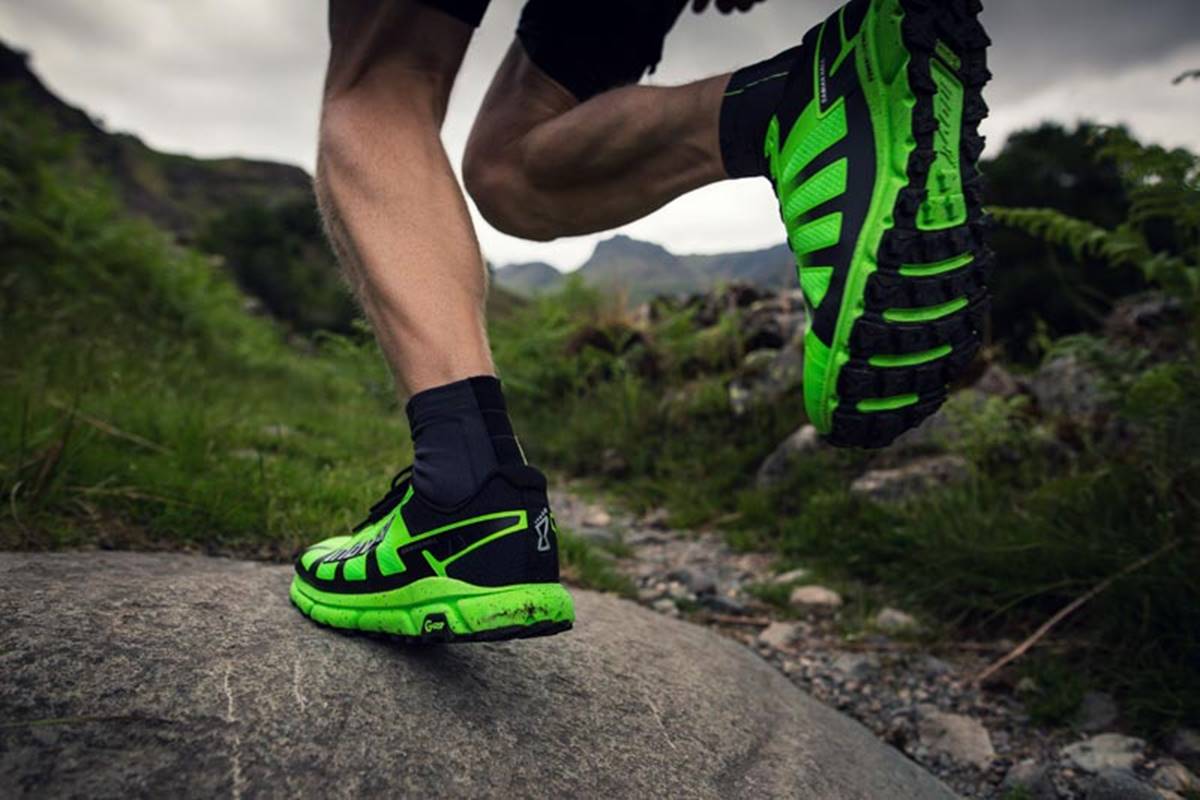
- Running Shoes: Invest in a good pair of trail running shoes that provide excellent cushioning, support, and traction. Look for shoes that are comfortable and specifically designed for long-distance running on varied terrain.
- Hydration Pack: Staying properly hydrated is paramount during an ultramarathon. A hydration pack allows you to carry water or sports drinks conveniently, ensuring you have a constant supply of fluids.
- Headlamp: For races that go through the night or have low lighting conditions, a reliable headlamp is essential. Look for one with a long battery life and sufficient brightness to illuminate the trail ahead.
- GPS Watch: A GPS watch can help you track your distance, speed, and elevation, keeping you aware of your progress. Look for one with a long battery life and accurate GPS tracking.
- Trail Map: In more challenging terrains, a detailed trail map is crucial for navigation. Familiarize yourself with the route and mark key checkpoints for easy reference during the race.
- Compression Gear: Compression socks or leggings can aid in muscle recovery and reduce fatigue during long runs. Consider investing in breathable and moisture-wicking compression gear.
- Sunglasses and Sunscreen: Protect yourself from harmful UV rays by wearing sunglasses to shield your eyes and applying a sweat-resistant sunscreen to exposed skin.
- Emergency Whistle and Blanket: In case of emergencies, carry an emergency whistle to attract attention and a lightweight emergency blanket to retain body heat.
Remember, this is just a starting point. Based on the race’s specific requirements and your personal preferences, you may need to customize your gear list. Always prioritize comfort, functionality, and safety when choosing your equipment.
Clothing
Choosing the right clothing for an ultramarathon is crucial to ensure your comfort and protection throughout the race. Here are some essential clothing items to consider:
- Moisture-Wicking Base Layer: Start with a moisture-wicking base layer that helps to keep your skin dry by wicking sweat away. Look for fabrics like merino wool or synthetic materials that dry quickly and prevent chafing.
- Running Shorts or Tights: Opt for comfortable and lightweight running shorts or tights that provide freedom of movement. Consider the weather conditions and choose the appropriate length and thickness.
- Moisture-Wicking Socks: Good-quality socks made from moisture-wicking materials can help prevent blisters and keep your feet dry during the long run. Look for socks specifically designed for running and consider wearing double-layered socks for added protection.
- Layering System: Be prepared for changing weather conditions by layering your clothing. Wear a lightweight, breathable, and weather-resistant jacket or vest on top of your base layer, and add or remove layers as needed.
- Hat or Visor: Protect your head and face from the sun or rain with a hat or visor. Look for one that is lightweight, breathable, and provides good coverage.
- Gloves: In colder temperatures or challenging terrains, gloves can provide extra warmth and protection for your hands. Choose lightweight and moisture-wicking gloves that allow dexterity.
- Arm Sleeves or Compression Sleeves: Arm sleeves or compression sleeves can provide additional muscle support and protection against the elements. They can also be easily removed or added during the race as needed.
- Buff or Neck Gaiter: A versatile and lightweight accessory, a buff or neck gaiter can protect your neck, face, or head from wind, dust, or sun exposure. It can also be used as a sweatband or headband.
- Rain Gear: Depending on the race location and the likelihood of rain, it’s essential to have a lightweight and packable rain jacket or waterproof shell that can keep you dry without compromising breathability.
Remember that comfort and functionality should be prioritized. Test your clothing choices during training runs to ensure they don’t cause chafing or discomfort. Always be prepared for changing weather conditions and pack a variety of clothing options in your gear bag.
Hydration
Proper hydration is essential for an ultramarathon as it ensures optimal performance and helps prevent dehydration. Here are some important considerations for staying hydrated:
- Hydration Pack or Water Bottles: Invest in a high-quality hydration pack or carry lightweight water bottles to ensure a constant supply of fluids throughout the race. Choose a hydration system that is comfortable, easy to use, and has a sufficient capacity to meet your hydration needs.
- Electrolyte Replacement: Alongside water, replenishing electrolytes such as sodium, potassium, and magnesium is crucial during long-distance runs. Consider carrying electrolyte tablets or sports drinks to replenish these essential minerals lost through sweat.
- Water Filters or Purification Tablets: For races in remote areas or mountains where water sources are available, but not guaranteed to be potable, carry water filters or purification tablets. This will allow you to safely drink water from natural sources along the trail.
- Pre-Race Hydration: Start your race well-hydrated by consuming adequate fluids in the days leading up to the event. Monitor your urine color to assess hydration levels, aiming for a pale yellow or straw-colored urine.
- Hydration Strategy: Develop a hydration strategy that works for you. Experiment during training runs to determine how much fluid you need at different distances and in varying weather conditions. Plan regular hydration breaks and listen to your body’s cues for thirst.
- Hydration Stations: Familiarize yourself with the location of hydration stations along the race course. Take advantage of these stations to refill your water supplies and grab any electrolyte drinks or snacks provided.
- Waterproof Protection: Consider using waterproof covers or bags to protect your hydration pack or water bottles in wet weather conditions. This will prevent water from seeping into your equipment and safeguard your hydration source.
Remember that every individual’s hydration needs can vary. It’s crucial to listen to your body, drink when you are thirsty, and maintain a consistent hydration plan throughout the race. Adequate hydration will help sustain your energy levels and keep you performing at your best.
Nutrition
Nutrition plays a critical role in fueling your body for an ultramarathon. Properly nourishing yourself before, during, and after the race can help enhance your performance and aid in recovery. Here are some key considerations for fueling during an ultramarathon:
- Pre-Race Meal: Consume a balanced meal that includes complex carbohydrates, lean protein, and healthy fats a few hours before the race. This will provide your body with the necessary energy to start the race strong.
- During-Race Fuel: During the race, fuel your body with a combination of carbohydrate-rich snacks, energy gels, or chews to maintain your energy levels. Experiment during training runs to find the types of fuel that work best for you and avoid stomach discomfort.
- Electrolyte Replacement: As mentioned in the hydration section, replenishing electrolytes is vital during endurance running. Look for sports drinks or electrolyte tablets to maintain the balance of essential minerals lost through sweat.
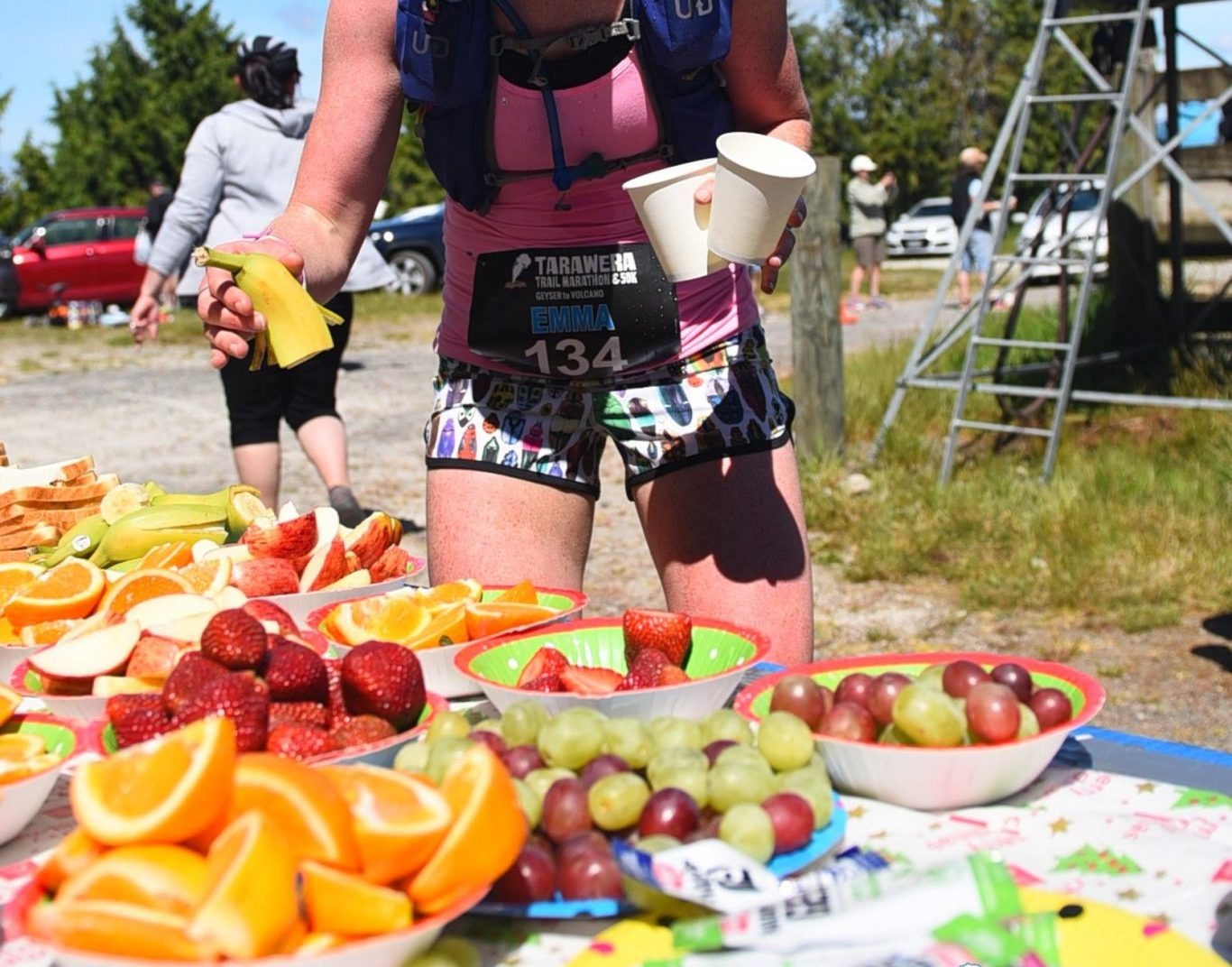
- Real Food Options: Incorporate real food options into your race nutrition plan, such as bananas, energy bars, nuts, or sandwiches. These can provide additional nutrients and offer a break from solely relying on energy gels or chews.
- Regular Intake: Aim for regular intake of nutrition throughout the race, even if you don’t feel hungry. Consuming small amounts of food at consistent intervals can help sustain your energy levels and prevent bonking.
- Post-Race Recovery: After crossing the finish line, prioritize your recovery by consuming a mix of carbohydrates and protein to replenish glycogen stores and aid muscle repair. A well-balanced meal or a recovery shake can help kickstart the healing process.
- Personalized Approach: Nutrition needs vary from person to person, so experiment during your training runs to find the nutrition plan that works best for you. Consider consulting with a sports nutritionist to develop a personalized race nutrition strategy.
Remember, nutrition plays a vital role in your overall performance and endurance during an ultramarathon. Along with your training, fueling your body properly will help you tackle the miles ahead and recover effectively.
Navigation
When participating in an ultramarathon, having strong navigation skills is crucial, especially when navigating through challenging terrains or unmarked trails. Here are some tips to help you navigate effectively:
- Study the Course: Before the race, thoroughly study the course map and familiarize yourself with the route. Take note of any key landmarks, intersections, or points of interest that will help guide you during the race.
- GPS Watch or Navigation Device: Consider using a GPS watch or a handheld navigation device to track your progress on the course. This can provide you with real-time data on your location, distance covered, and elevation gained.
- Trail Markings and Flags: Pay close attention to any trail markings, flags, or ribbons that indicate the correct route. Be cautious of false trails or offshoots that might lead you astray.
- Use a Compass: If the course involves sections without clear markings or in remote locations, basic knowledge of using a compass can be valuable. This skill can help you stay on the right track and find your bearings if needed.
- Follow the Crowd: For races with a large number of participants, you can often navigate by following the runners in front of you. Remember, however, that relying solely on others can be risky, and it’s important to have your own understanding of the course.
- Ask Race Officials or Volunteers: Don’t hesitate to ask race officials or volunteers for guidance if you are unsure of the route. They are there to assist and ensure a smooth and safe experience for all participants.
- Practice Navigation during Training: Develop your navigation skills during training runs to build confidence and familiarity with interpreting maps, using a compass, and making quick decisions when faced with route choices.
- Download Offline Maps: If the race takes you through areas with limited or no cell reception, download offline maps of the course beforehand. This will allow you to navigate even when you’re out of reach of mobile networks.
Remember to prioritize safety and follow the rules and guidelines set by race organizers. Being prepared and confident in your navigation abilities will allow you to stay on course, navigate challenging sections, and enjoy the incredible landscapes you’ll encounter during the ultramarathon.
Safety and First Aid
When participating in an ultramarathon, prioritizing safety is essential. Whether you’re running on remote trails or in challenging conditions, it’s crucial to be prepared for any unforeseen circumstances. Here are some important safety measures and first aid considerations:
- First Aid Kit: Carry a well-equipped first aid kit that includes bandages, adhesive tape, blister care supplies, antiseptic wipes, pain relievers, and any personal medications you may need. Familiarize yourself with the contents and basic first aid techniques.
- Emergency Communication: Bring a fully charged cellphone or a satellite phone if you’re running in areas with poor cell reception. This will allow you to call for help in case of emergencies. Know the race’s emergency contact number and save it in your phone.
- Emergency Plan: Familiarize yourself with the race’s emergency plan and understand the procedures in place for various scenarios. Know the locations of medical aid stations along the course and how to access them if needed.
- Safety Gear: Depending on the race regulations, carry safety gear such as a headlamp, reflective vest, or whistle. These items can help you stay visible to other runners and race officials and alert others in case of emergencies.
- Training: Prepare yourself physically and mentally through proper training. Gradually increase your mileage, practice running in various terrains, and simulate race conditions during your training runs. This will help improve your endurance and reduce the risk of injury.
- Environmental Considerations: Be aware of potential environmental hazards during the race. Stay informed about the weather forecast and adjust your gear and clothing accordingly. Take precautions against extreme heat, cold, rain, or other adverse conditions.
- Self-Assessment: Continuously monitor your physical and mental well-being during the race. If you experience any concerning symptoms such as dizziness, extreme fatigue, or dehydration, prioritize your safety and seek appropriate medical attention.
- Stay Hydrated and Fuelled: Proper hydration and nutrition are essential for your safety during an ultramarathon. Maintain a regular intake of fluids and eat at regular intervals to fuel your body adequately.
- Follow Race Rules: Familiarize yourself with the race rules and regulations and ensure compliance. These guidelines are in place to prioritize your safety and the well-being of all participants.
Remember, safety should always be your top priority. Taking necessary precautions, being prepared for emergencies, and making informed decisions will help ensure a safer and more enjoyable ultramarathon experience.
Personal Care
When participating in an ultramarathon, taking care of yourself goes beyond just having the right gear and nutrition. Paying attention to personal care can make a significant difference in your comfort and overall experience during the race. Here are some important personal care considerations for an ultramarathon:
- Foot Care: Take care of your feet by wearing proper-fitting, moisture-wicking socks and well-fitted shoes. Consider applying lubricants or anti-chafing balms to prevent blisters and hot spots.
- Chafing Prevention: Apply petroleum jelly or a specialized anti-chafing balm to areas prone to chafing, such as underarms, inner thighs, and nipples. This will help reduce discomfort and irritation during the long run.
- Sun Protection: Protect yourself from the sun by wearing a hat or visor, sunglasses, and applying a sweat-resistant sunscreen with a high SPF. Reapply sunscreen periodically, especially if you’re sweating profusely.
- Hygiene: Maintain good hygiene during the race by carrying moist towelettes or hand sanitizer to keep your hands clean. Consider packing travel-sized toiletries for quick freshening up during longer breaks or overnight races.
- Mental Well-being: Prioritize your mental well-being by practicing mindfulness and positive self-talk. Stay focused on the present moment, and maintain a positive mindset to help you overcome any challenges you may face during the race.
- Sleep Management: For multi-day ultramarathons or races with limited rest stops, plan your sleep breaks strategically. Allocate time for short power naps to help rejuvenate your mind and body.
- Recovery: After completing each stage or at the end of the race, prioritize recovery by stretching, foam rolling, and applying ice or cold packs to any sore or inflamed areas. Adequate rest and recovery are crucial for preventing injuries and preparing for future races.
- Embrace Support: Don’t hesitate to seek support from fellow runners, volunteers, or race crew members. The ultramarathon community is known for its camaraderie and support, so lean on them for encouragement and assistance when needed.
Remember, personal care may vary from runner to runner, so discover what works best for you through trial and error during training runs. Prioritizing self-care will ensure you not only survive but thrive during your ultramarathon journey.
Miscellaneous Items
Aside from essential gear, there are various miscellaneous items that can enhance your comfort and overall experience during an ultramarathon. While these items may not be crucial, they can be valuable additions to your gear list. Here are some miscellaneous items to consider:
- Extra Batteries: Carry extra batteries for your headlamp, GPS watch, or any other electronic devices you’re using. This ensures that you have a backup power source in case your primary batteries run out.
- Portable Charger: For longer races or races involving multiple days, a portable charger can be beneficial to charge your electronic devices on the go. Look for lightweight and compact options with sufficient power capacity.
- Small Towel or Bandana: Having a small towel or bandana can come in handy for wiping away sweat, clearing debris from your face, or even provide some relief with a cold towel around your neck during hot weather.
- Earphones: If you enjoy running with music or podcasts, consider bringing lightweight and wireless earphones. However, be mindful of race rules and ensure you can still hear the sounds of your surroundings for safety purposes.
- Extra Clothes and Shoes: Depending on the race’s length and weather conditions, having spare clothing and footwear can be beneficial. This allows you to change into dry clothes or switch to a fresh pair of shoes during longer breaks or overnight races.
- Trash Bag or Ziplock Bags: Pack a small trash bag or ziplock bags to keep your gear organized, protect your electronics from water or sweat, or for storing any rubbish until you reach an appropriate disposal point.
- Extra Cash or Credit Card: Carry some extra cash or a credit card for emergencies or unexpected circumstances. This can come in handy if you need to purchase additional supplies or arrange transportation during the race.
- Personal Motivational Items: Bring along small items such as photos, motivational quotes, or tokens that hold sentimental value. These items can provide you with a mental boost and serve as a reminder of why you’re pushing through the challenges.
While these miscellaneous items may not be essential for everyone, they can add comfort and convenience to your ultramarathon experience. Assess your needs, consider the race requirements, and customize your gear list accordingly.
Conclusion
Congratulations! You are now equipped with a comprehensive understanding of the essential gear needed for an ultramarathon. By ensuring you have the right gear, you can maximize your performance, stay safe, and enjoy the incredible journey that lies ahead.
From running shoes and hydration packs to navigation tools and personal care items, each piece of gear plays a crucial role in your race day success. Pay attention to the specific requirements of the race, and customize your gear list accordingly. Remember, comfort, functionality, and safety should be your top priorities when selecting your gear.
In addition to gear, it’s important to prioritize your nutrition, hydration, and personal care throughout the race. Fueling your body with the right nutrition, maintaining hydration, and taking care of yourself physically and mentally will contribute to your overall performance and well-being.
Lastly, always prioritize safety. Familiarize yourself with the race course, understand the emergency protocols, and equip yourself with the necessary knowledge and gear to navigate challenging terrain and conditions.
Now, lace up your running shoes, fill up your hydration pack, and embark on your ultramarathon adventure. Remember, an ultramarathon is not just a test of physical endurance, but also a journey of self-discovery, resilience, and accomplishment. Embrace the challenge, listen to your body, and enjoy the incredible experience that awaits you as you push your limits and achieve new heights.